
Cabinets are the single biggest visual and functional investment in any kitchen, so it makes sense that choosing them can feel a little overwhelming. Between materials, construction styles, brands, and finish options, there’s a lot to sort through. We’ve spent years helping homeowners navigate exactly this decision, so we put together this guide to walk you through what actually matters, and what’s just noise, when you’re picking cabinets for your home.
Key Takeaways
- Cabinet material affects durability, moisture resistance, and price: solid wood, plywood, MDF, and particleboard all perform differently depending on where they’re used.
- Framed vs. frameless construction impacts both style and storage capacity, not just aesthetics.
- Features like soft-close hinges and drawers are a worthwhile upgrade for everyday durability and comfort.
- Cabinet brands vary widely in customization, price point, and craftsmanship; it pays to understand what tier you’re shopping in.
- Budget for cabinets as a percentage of your total kitchen investment, not just a standalone line item.
- Seeing and touching cabinet samples in person makes a bigger difference than photos ever will.
Start With Material: What Your Cabinets Are Actually Made Of
Before you fall in love with a color or finish, it’s worth understanding what’s underneath it. Cabinet material has a huge impact on how long your cabinets last, how well they handle moisture, and how much they cost.
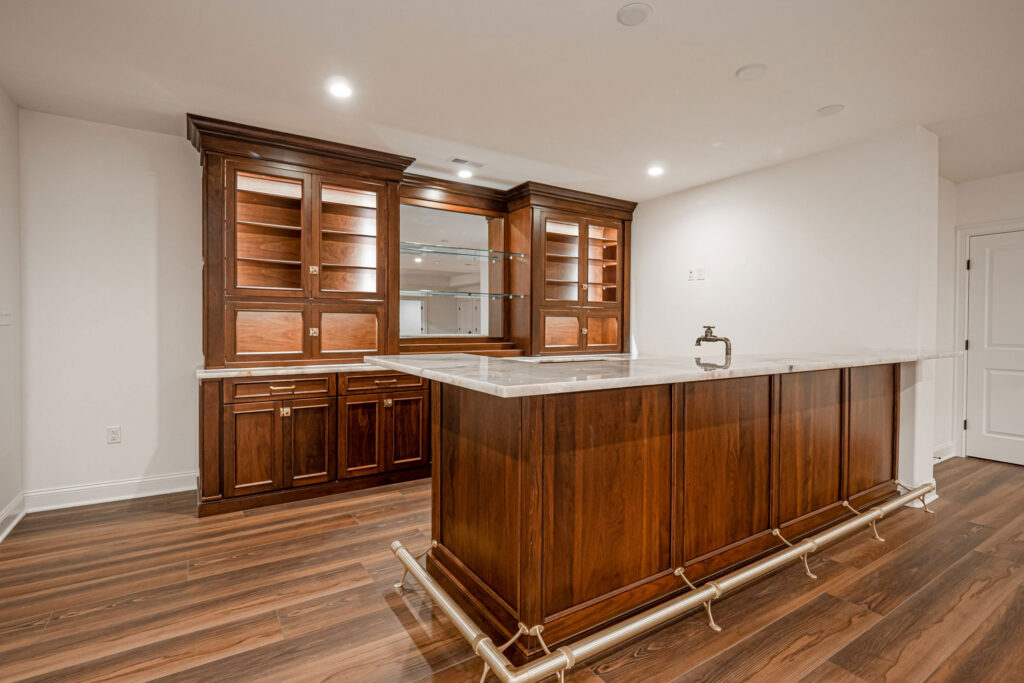
Solid wood offers the most traditional, durable option, though it can be more prone to expanding and contracting with humidity. Plywood is a strong, stable choice that holds up well in kitchens and bathrooms alike. MDF (medium-density fiberboard) offers a smooth, paint-friendly surface at a more accessible price point, while particleboard is the most budget-conscious option but generally the least durable over time. Each material performs differently depending on the best material for your specific cabinets, so it’s worth weighing your priorities: cost, durability, or moisture resistance before deciding.
Framed vs. Frameless: A Bigger Decision Than It Sounds
One of the first construction decisions you’ll run into is framed versus frameless cabinetry. Framed cabinets have a face frame across the front of the cabinet box, giving a more traditional look and slightly more structural rigidity. Frameless cabinets (sometimes called “full access” cabinets) skip that frame, offering a sleeker, more modern look along with a bit more usable interior storage space, since there’s no frame taking up room at the cabinet opening.
Neither option is objectively “better”; it really comes down to the style you’re going for and how you want your storage to function, and understanding frameless vs. framed cabinets in more depth can help clarify which construction style fits your kitchen best.
Don’t Overlook Hardware and Functional Upgrades
It’s easy to focus entirely on the cabinet boxes and doors and forget about the small details that shape your daily experience, namely, hinges and drawer slides. Soft-close features have become increasingly standard, and for good reason: they reduce noise, prevent slamming, and extend the life of your cabinetry over time. Many homeowners find themselves asking whether soft-close cabinets are worth the investment, and for most, the everyday difference in feel and durability makes it a worthwhile upgrade.
Understanding Cabinet Brands and Price Tiers
Cabinet brands generally fall into a few tiers: stock, semi-custom, and fully custom. Stock cabinets are the most affordable and come in preset sizes and finishes. Semi-custom lines offer more flexibility in sizing, finishes, and storage features without the full cost of custom work. Fully custom cabinetry gives you the most design freedom but comes at a higher price point.
We work with a curated selection of manufacturers to cover a range of styles and budgets, including Mid Continent Cabinetry for versatile, on-trend designs, Omega Cabinetry for furniture-quality craftsmanship, and Mantra Cabinets for a more affordable, all-plywood option. We also offer our own exclusive cabinet collection for homeowners who want a truly custom result, alongside these partner brands.
Choosing a Style That Will Age Well
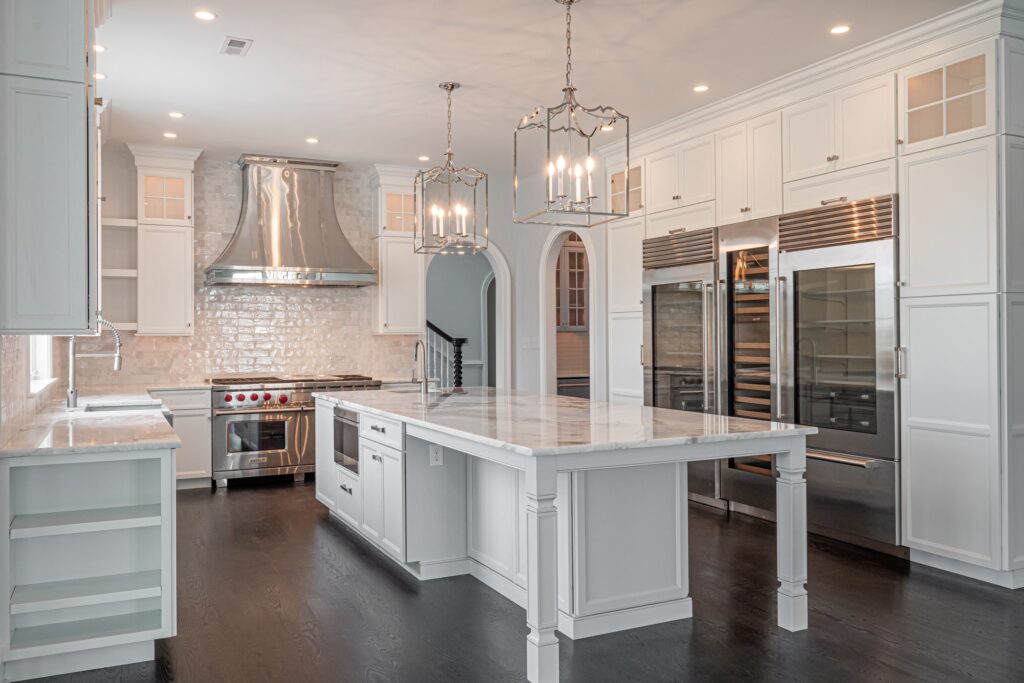
Trends come and go, but your cabinets are a long-term investment. Popular styles like shaker doors continue to hold up well over time because of their clean lines and versatility. You’ll see this reflected in the ongoing popularity of modern farmhouse kitchen cabinets, which blend that classic shaker look with warmer, more current finishes. If longevity matters to you, lean toward simple lines and timeless finishes over anything too tied to a passing trend.
Don’t Forget Storage Function, Not Just Looks
Cabinets aren’t just about how they look, they need to work for how you actually live and cook. If your kitchen is on the smaller side, layout and storage planning become even more important, and maximizing storage in a small kitchen often comes down to smart cabinet configuration rather than simply adding more units.
Budgeting for Your Cabinets
Cabinets typically represent one of the largest single costs in a kitchen renovation, often 30–40% of the total project budget. Rather than treating cabinets as an isolated purchase, it helps to think about them as part of your full kitchen investment alongside countertops, appliances, and labor. Getting a handle on what it takes to prepare for a kitchen remodel early on makes it much easier to budget realistically for cabinets within the bigger picture.
See and Touch Before You Decide
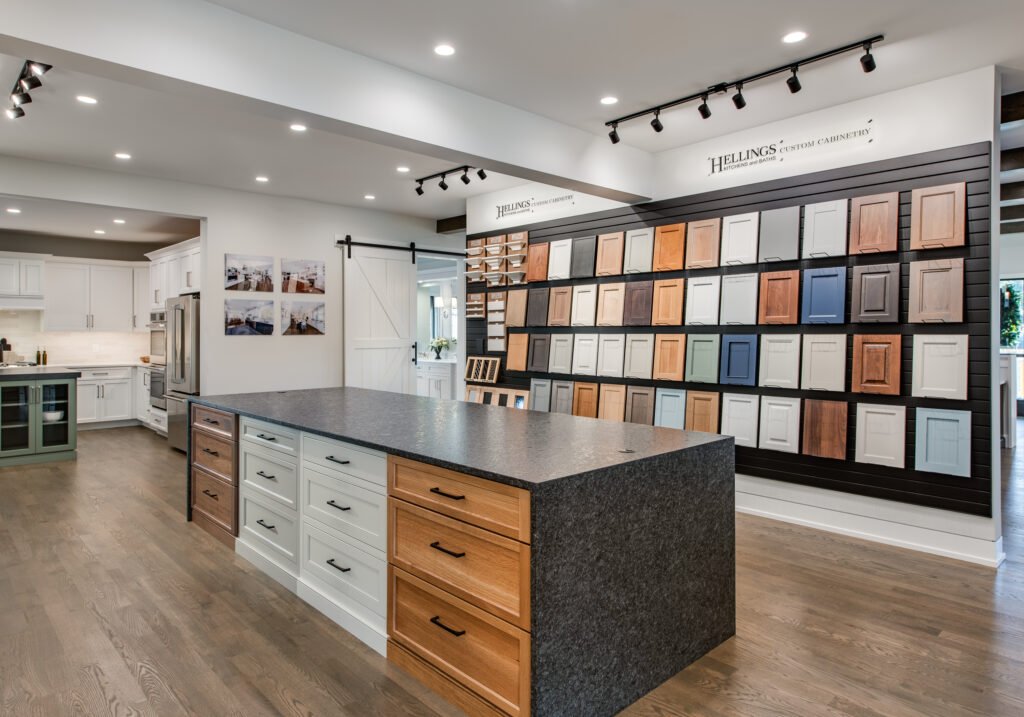
However good photos look online, nothing replaces standing in front of an actual cabinet sample. Door textures, hardware feel, and finish tones can all look different in person than they do on a screen. Stopping by our design center in Middletown gives you the chance to see and feel these options firsthand before making a final decision.
Final Thoughts
Choosing kitchen cabinets is one of the most important decisions in any renovation, but it doesn’t have to be overwhelming. Once you understand the basics, material, construction style, hardware, and brand tier, the rest of the decision becomes a lot more about personal style and less about guesswork. If you’d like help narrowing down the right option for your space, our team is always happy to walk you through it.
FAQ
What’s the most durable material for kitchen cabinets?
Solid wood and plywood are generally the most durable options, offering strong resistance to daily wear. MDF and particleboard are more budget-friendly but tend to hold up less well over time, especially in high-moisture areas.
Is it worth paying more for semi-custom or custom cabinets?
It depends on your space and goals. Semi-custom cabinets offer more flexibility in sizing and finishes than stock options, while fully custom cabinetry is worth the investment if you have a unique layout or very specific design vision.
Are soft-close cabinets worth the extra cost?
For most homeowners, yes. Soft-close hinges and drawers reduce wear and tear over time, cut down on noise, and simply feel more refined in daily use.
What’s the difference between framed and frameless cabinets?
Framed cabinets have a face frame for a more traditional look and added structure, while frameless cabinets offer a sleeker, modern appearance and slightly more interior storage space.
How much of my kitchen renovation budget should go toward cabinets?
Cabinets typically account for roughly 30–40% of a total kitchen remodel budget, making them one of the largest line items in the project.